

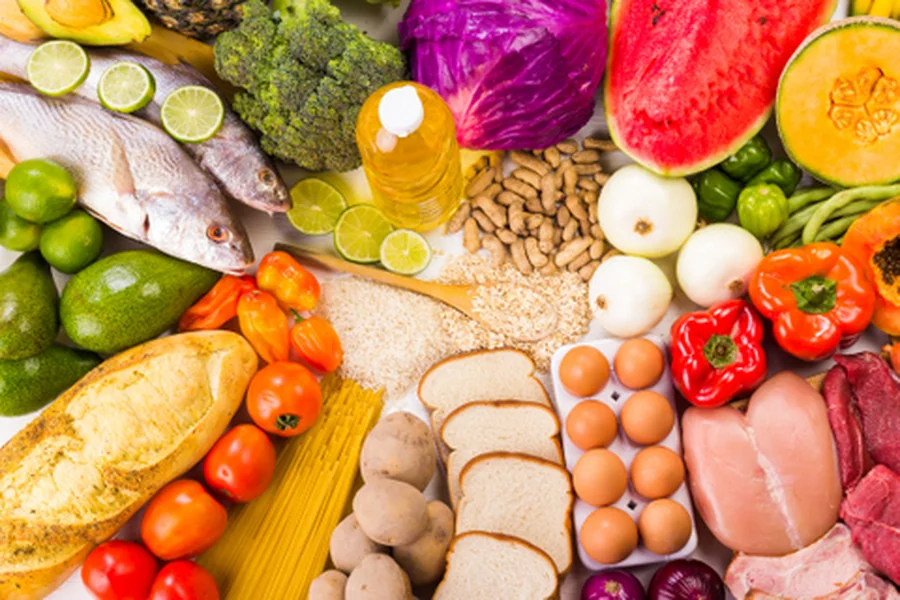
Healthy eating is an important part of a balanced lifestyle. The foods you eat can provide the nutrients and energy your body needs for daily activities, growth and normal body functions. A healthy diet does not mean avoiding your favorite foods or following strict rules. It is about making balanced choices and enjoying a variety of foods.
Developing healthy eating habits takes time. Small changes made consistently can become part of your normal routine and support your overall well-being.
Eat a Variety of Foods
Eating different types of foods helps provide a wide range of nutrients. Try to include fruits, vegetables, whole grains, protein foods and dairy or suitable alternatives in your meals.
Different foods provide different nutrients. Fruits and vegetables can provide vitamins, minerals and fiber. Whole grains can provide carbohydrates and fiber. Protein-rich foods such as eggs, fish, beans, lentils and chicken can support normal growth and body functions.
Adding variety can also make meals more interesting and enjoyable.
Do Not Skip Regular Meals
Regular meals can help you maintain a consistent eating routine. Skipping meals may leave you feeling hungry and make it harder to concentrate on daily activities.
Try to have balanced meals at regular times that fit your schedule. If you become hungry between meals, a nutritious snack such as fruit, yogurt or nuts can be a suitable option.
Everyone has different nutritional needs. Listen to your body’s hunger and fullness signals rather than following strict eating rules.
Include More Fruits and Vegetables
Fruits and vegetables are an important part of a balanced diet. They contain vitamins, minerals, fiber and other nutrients that support overall health.
Try adding different colors and varieties to your meals. You can include vegetables in soups, rice dishes, sandwiches or other meals. Fruits can be eaten as snacks or added to breakfast.
Fresh, frozen and properly prepared canned options can all be useful depending on what is available.
Choose Nutritious Sources of Protein
Protein is an important nutrient for the body. It supports normal growth and helps maintain muscles and other tissues.
There are many protein choices. Eggs, fish, chicken, beans, lentils, peas, yogurt, milk and nuts can all be included in a varied diet.
You do not need to rely on one particular protein source. Choosing different options throughout the week can add variety to your meals.
Drink Water Regularly
Water is essential for many normal body functions. Drinking enough fluids throughout the day is an important part of healthy eating habits.
Keep water available so you can drink regularly. Water is often a simple everyday choice compared with drinks that contain large amounts of added sugar.
Your fluid needs can change depending on factors such as weather and physical activity. Drink regularly and pay attention to thirst.
Limit Highly Processed Foods
Highly processed foods can be convenient and enjoyable, but many may contain large amounts of added sugar, salt or saturated fat.
You do not need to completely avoid these foods. Instead, try to make nutritious foods the regular foundation of your meals while enjoying less nutritious choices occasionally. Read More about: How Long Until 2:10.
Reading food labels can help you understand what is included in packaged foods and make informed choices.
Pay Attention While Eating
Eating without distractions can help you become more aware of your food and your body’s signals. Try to slow down when possible and enjoy the taste, texture and smell of your meal.
Avoid rushing through meals whenever you can. Eating slowly may also give your body more time to recognize feelings of fullness.
You can make meals more enjoyable by eating with family or friends when possible.
Plan Meals Ahead
Planning meals can make healthy eating easier. Think about what you will eat during the week and keep a variety of nutritious ingredients available.
Simple meals can be just as healthy as complicated recipes. Preparing some foods in advance may also save time on busy days.
If you are involved in preparing meals at home, learning basic cooking skills can help you make balanced food choices and become more confident in the kitchen.
Avoid Extreme Dieting
Healthy eating should provide your body with enough energy and nutrients. Extreme diets or severe food restrictions can make it difficult to meet your nutritional needs.
Young people especially need adequate nutrition because their bodies and brains are still developing. Instead of focusing on weight or strict food rules, focus on eating a variety of nutritious foods and maintaining healthy daily habits.
If you have concerns about your nutrition, speak with a parent, guardian, doctor or qualified dietitian.
Enjoy Food in Balance
Food is not only about nutrition. Meals can also be a source of enjoyment and an important part of family and social life.
You can enjoy treats and favorite foods while maintaining an overall balanced diet. One meal or snack does not determine whether your eating habits are healthy.
Focus on your overall pattern of eating rather than trying to make every meal perfect.
Final Thought
Healthy eating habits can support a balanced and active lifestyle. Eating a variety of foods, including fruits and vegetables, choosing nutritious protein sources, drinking water and maintaining regular meals are simple steps that can make a difference. There is no need to follow extreme rules. Focus on balance, variety and consistency. With time, healthy choices can become a natural part of your everyday routine.
FAQs
What is a balanced diet?
A balanced diet includes a variety of foods that provide carbohydrates, protein, fats, vitamins, minerals and other nutrients needed by the body.
How can I start eating healthier?
Start with small changes. Add more fruits and vegetables, drink water regularly and include a variety of nutritious foods in your meals.
Is it okay to eat snacks?
Yes. Snacks can be part of a balanced eating pattern. Nutritious options such as fruit, yogurt, vegetables or nuts can provide useful nutrients between meals.
Should teenagers avoid certain foods?
Teenagers generally need a variety of foods to support growth and development. Instead of avoiding entire food groups, focus on balanced meals and discuss specific dietary concerns with a qualified healthcare professional.
Why is drinking water important?
Water supports many normal body functions and helps maintain hydration. Drinking regularly throughout the day is an important part of a healthy routine.
